



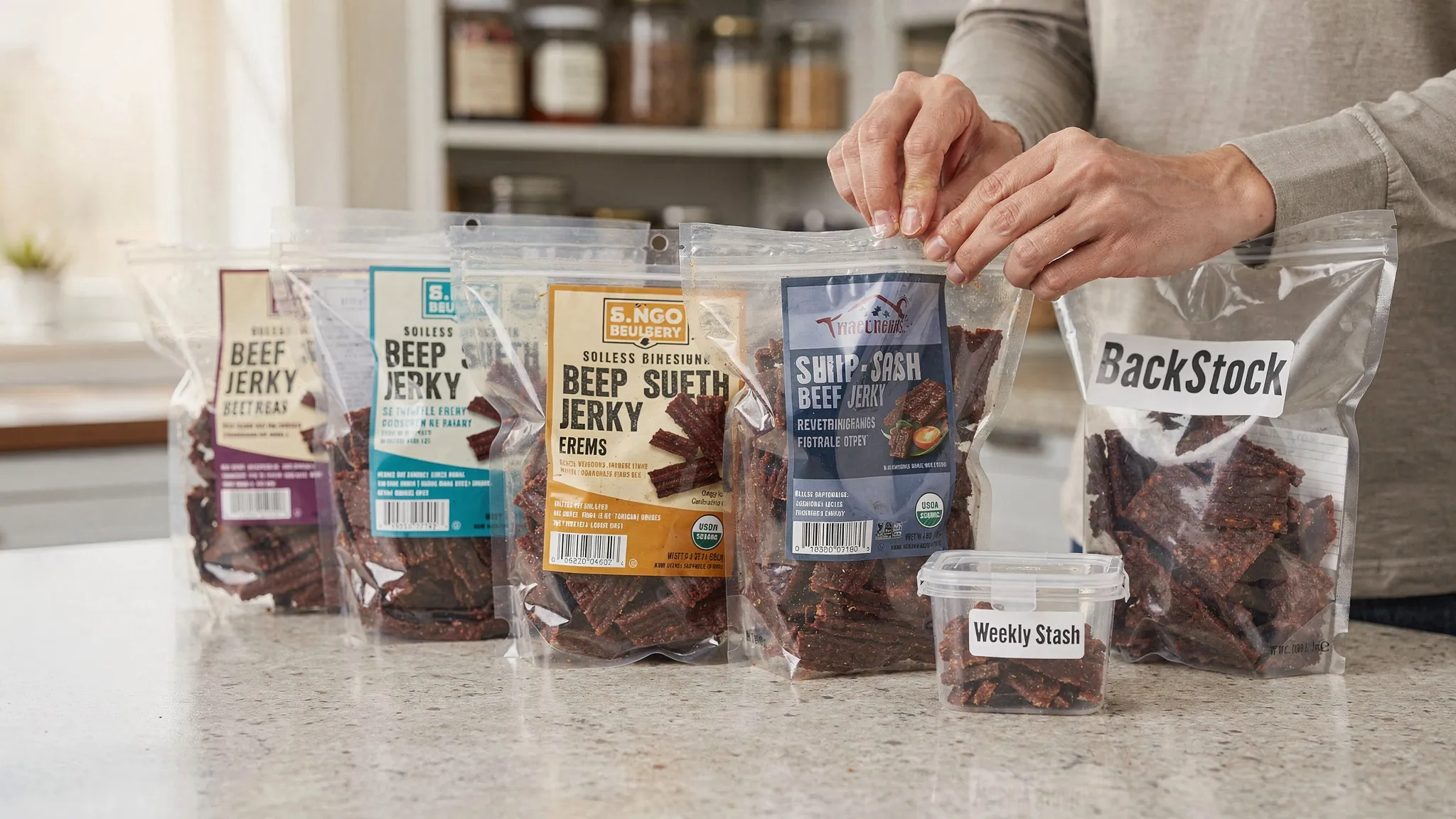
Buying beef jerky online should be the easiest way to get better flavor and better value, but only if it arrives fresh. The good news is that “freshness” is something you can influence, even before you click Add to Cart. It comes down to how jerky is made, how it’s packaged, how it’s shipped, and how you store it once it lands.
This guide walks you through practical, repeatable steps to buy fresh jerky every time, whether you’re ordering a small sampler or stocking up in bulk.
What “fresh” beef jerky actually means
Jerky is designed to be shelf-stable, so “fresh” does not mean “made yesterday.” In jerky terms, freshness is mostly about:
- Flavor integrity (spices, smoke, and beef taste have not dulled)
- Texture consistency (not overly brittle, not oddly wet or mushy)
- Package integrity (properly sealed, no pinholes, no oxygen leaks)
- Reasonable age (not sitting in a warehouse or on a store shelf for months)
That last point is why online can be a win: fewer middle steps can mean fewer months in limbo.
Step 1: Start with brands that can prove safe handling and consistent production
If your goal is “fresh every time,” safety and consistency come first. Jerky is a ready-to-eat meat product, and reputable makers follow validated processes and operate under inspection.
A few strong trust signals to look for on a product page:
- USDA inspection for meat products (common for beef jerky producers in the U.S.)
- Clear ingredient lists and allergen info
- Straightforward storage guidance (for example, “store in a cool, dry place” and reseal instructions)
For a deeper safety overview, the USDA’s Food Safety and Inspection Service (FSIS) publishes consumer guidance for jerky and dried meats, including safe handling and storage principles: USDA FSIS food safety resources.
Step 2: Read the product page like a “freshness detective”
When you can’t pick up a bag in-store, your best tool is the product information itself. The goal is to predict how the jerky will hold up in transit and how it will eat when you open it.
Look for packaging details that protect flavor
Freshness is mostly packaging science.
- Resealable bags help once you open the product.
- Tight, undamaged seals matter more than fancy branding.
- Opaque bags can help protect flavor from light exposure, especially for longer storage.
If the product arrives with a compromised seal, it is one of the most common reasons jerky tastes stale (oxidation can flatten spices and “old” the meat flavor).
Use ingredients to predict shelf life and taste drift
You do not need a chemistry degree, just a few practical cues:
- Higher sugar glazes can taste great, but can also feel stickier in warm conditions.
- Very minimal-ingredient jerky (especially sugar-free styles) often tastes “cleaner,” but can show salt and smoke more clearly, which some people love.
- Oil-heavy seasonings (like strong garlic or certain spice blends) can fade faster over time than salt-forward profiles.
If you’re specifically optimizing for “always fresh,” choose flavors you know you’ll finish quickly, and save experimental flavors for smaller quantities first.
Step 3: Time your delivery like you’re ordering a perishable
Jerky is shelf-stable, but your porch in July might not be.
Two habits make a big difference:
Avoid weekend sit time
If your package arrives Friday afternoon and sits through a hot weekend, you increase the odds of texture and flavor changes. When possible:
- Order early in the week.
- Use delivery options that reduce time in transit.
Match the order size to the season
If you are stocking up during hot months, consider buying enough to get value, but not so much that it sits opened for weeks.
Here’s a simple rule that works for most households:
- Cold months: bulk orders are easier to manage.
- Hot months: buy smaller quantities more often, or portion immediately when the box arrives.
Step 4: Inspect the bag the moment it arrives (30-second check)
Before you taste anything, do a quick check. This is how you catch freshness problems early.
| What to check | What “good” looks like | What’s a red flag |
|---|---|---|
| Outer shipping box | Dry, intact, not crushed | Wet spots, heavy crushing |
| Bag seal | Flat, tight, fully closed | Gaps, pinholes, seal lifting |
| Air inside bag | Normal headspace | Bag looks “puffed” or leaking |
| Jerky appearance | Consistent color for the style | Excessive moisture pooling or odd film |
| Smell on opening | Beef, spice, smoke as expected | Sour, rancid, or “old oil” smell |
If something seems off, take a quick photo and contact the seller. Good producers would rather fix it than have you power through a bad bag.
Step 5: Know how to store jerky so it stays fresh after opening
Most “stale jerky” complaints are not about how it was made. They’re about what happens after the first opening.
The biggest freshness killer is oxygen exposure
After opening, you’re fighting oxidation and moisture exchange.
Do this instead:
- Reseal the bag tightly right away.
- Press out excess air before resealing.
- Store in a cool, dark cabinet, not next to the oven or in direct sunlight.
Refrigeration: helpful sometimes, not always necessary
Some jerkies are drier and do fine in a pantry. Others are more tender and can benefit from refrigeration after opening.
The safest approach is simple: follow the storage guidance on the label, because moisture level and formulation differ by product.
Portioning makes bulk orders taste “new” for longer
If you buy in bulk, treat the big bag as “backstock” and keep a smaller amount available for daily snacking.
A practical approach:
- Keep 7 to 10 days worth accessible.
- Keep the rest sealed until you need it.

Step 6: Choose the right format for “fresh every time” buying
Not every buying method fits every snacker. The “freshness strategy” changes based on how fast you eat it and how confident you are in your favorite flavors.
| If you are… | Best approach | Why it helps freshness |
|---|---|---|
| New to a brand or flavor | Start with a sampler, starter kit, or mixed box | Reduces regret and long-open storage time |
| A daily jerky eater | Bulk bags of your 1 to 3 go-to flavors | Faster turnover, less chance it sits |
| Feeding a household or team | Variety bundle plus a few safe crowd-pleasers | Prevents flavor fatigue and half-finished bags |
| Buying for travel | Smaller bags or portioned packs | Less time opened, easier storage |
| Managing specific diets (sugar-free, gluten-free) | Filter first, then sample before scaling | Avoids buying a large quantity you won’t finish |
If you’re shopping at Bulk, options like build your own snack box, bundle deals (up to 20% off), and bulk purchasing can be a practical way to start small and then scale into your favorites, instead of guessing.
Step 7: Evaluate freshness with a quick taste test (what to expect)
When you open a fresh bag, you should notice the brand’s intended profile immediately:
- Beef flavor comes through first, not just salt.
- Seasoning tastes bright, not muted.
- Texture matches the style (tender, traditional, or rip-and-chew) without feeling “tired.”
Two common misconceptions:
- Drier is not automatically fresher. Some styles are designed to be tender.
- Heat can amplify salt. If a bag sat warm in transit, salt can seem more intense and spices can seem flatter.
If you want more control, stick to the styles you personally like, then buy those consistently. Freshness is easier to judge when you’re not also adapting to a new texture.
Step 8: Know the most common reasons online jerky arrives “not fresh”
If you’ve ever had a disappointing online order, it usually traces back to one of these:
- Long storage time before shipping (inventory sat too long)
- Shipping delays (weather, carrier issues)
- Heat exposure (mailbox, porch, delivery truck)
- Seal failure (even a tiny leak can flatten flavor fast)
- Opened-too-long at home (reseal habits matter)
The fix is rarely complicated: choose reputable producers, time deliveries, inspect immediately, and store correctly.

Frequently Asked Questions
How long does beef jerky stay fresh after opening? It depends on the product’s moisture level and your storage. If you reseal tightly and store it cool and dry, many jerkies stay enjoyable for days to a couple of weeks. Follow the label guidance for best results.
Is beef jerky online fresher than gas station jerky? Often, yes, because online ordering can reduce time sitting on retail shelves. Freshness still depends on the producer, packaging, and shipping conditions.
Should I refrigerate beef jerky after opening? Some jerkies do fine in a pantry, others benefit from refrigeration, especially more tender styles. The most reliable answer is the storage instruction on the package.
What’s the biggest sign jerky isn’t fresh? A broken seal or a smell that’s sour, rancid, or “old oil” is the clearest warning. Texture that feels oddly wet or mushy can also indicate a problem.
How do I buy in bulk without the jerky going stale? Buy bulk of the flavors you already know you finish fast, then portion into a weekly stash and keep the rest sealed as backstock.
Buy beef jerky online with a “fresh every time” strategy
If you want to take the guesswork out of ordering, start with a mixed order so you can confirm your favorite flavors and textures, then scale into bulk.
Bulk Beef Jerky makes that easy with build-your-own snack boxes, bundle deals (up to 20% off), and free shipping over $100.
Browse options and build your box at BulkBeefJerky.com.